Translation Services for Drug Safety Reports: Navigating Global Requirements with Expertise
Drug Safety Reports are vital for global healthcare, providing essential information on pharmaceutical risks and benefits. In a multicultural UK setting, accessible and accurate translation services for these reports are crucial for patient safety an…….

Drug Safety Reports are vital for global healthcare, providing essential information on pharmaceutical risks and benefits. In a multicultural UK setting, accessible and accurate translation services for these reports are crucial for patient safety and informed medical practices. Professional translators with pharmaceutical expertise ensure the integrity of data, prevent miscommunication, and maintain regulatory compliance. When selecting translation services, focus on expertise in regulatory documentation, familiarity with technical jargon, security measures, and a proven track record. Advanced machine translation backed by human review offers cost-effective solutions for high-volume reports while maintaining quality standards. AI and ML technologies are revolutionizing drug safety reporting globally, offering unprecedented accuracy and efficiency.
Do your drug safety reports require translation? In today’s global pharmaceutical landscape, understanding diverse markets is crucial. This article explores the growing need for translation services within the drug safety reporting sector, especially in the UK. From navigating regulatory requirements to ensuring consistent quality, professional translation plays a vital role in sharing vital information across borders. Discover key considerations, benefits, and future trends shaping this essential process, including the impact of AI and machine learning.
- Understanding Drug Safety Reports and Their Global Reach
- The Challenge of Language Barriers in Pharmaceutical Research
- Why Accurate Translation Matters for Drug Safety Documentation
- Key Considerations When Choosing Translation Services
- Benefits of Professional Translation for Medical Literature
- Navigating Regulatory Requirements: UK Perspectives on Drug Safety Reporting
- Ensuring Quality and Consistency in Translated Reports
- Case Studies: Successful Translations in the Pharmaceutical Sector
- Cost-Effective Solutions for Large-Scale Report Translation
- Future Trends: AI and Machine Learning in Drug Safety Translation
Understanding Drug Safety Reports and Their Global Reach
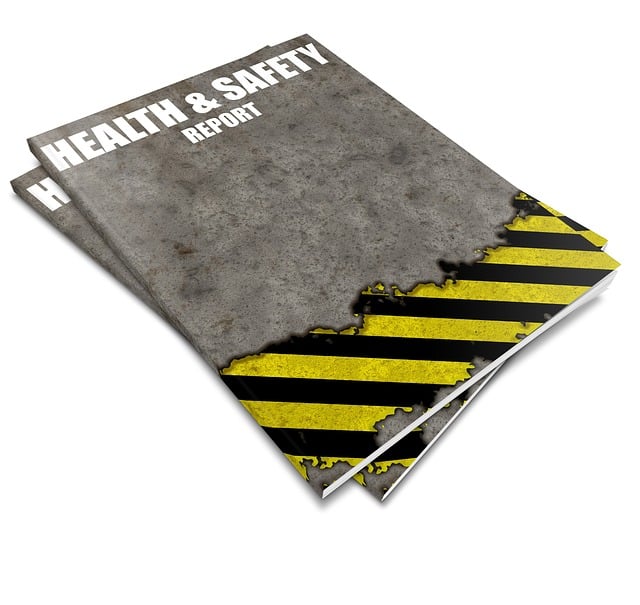
Drug safety reports are critical documents that detail the potential risks and benefits of pharmaceutical products. They play a pivotal role in ensuring patient safety, guiding regulatory decisions, and facilitating informed medical practices worldwide. These reports encompass comprehensive data on adverse drug reactions, their severity, and any necessary precautions or adjustments to medication regimens.
Given the global nature of pharmaceuticals, these reports must be accessible and understandable across diverse linguistic landscapes. In a multicultural, multinational setting like the UK, where patients and healthcare professionals come from various linguistic backgrounds, translation services for Drug Safety Reports become indispensable. Accurate and reliable translation ensures that vital information is conveyed effectively, fostering safer medication use and empowering patients to make informed decisions about their health.
The Challenge of Language Barriers in Pharmaceutical Research
In the fast-paced world of pharmaceutical research, where international collaboration is essential, language barriers pose a significant challenge. When it comes to drug safety reports, ensuring clear and accurate communication across diverse linguistic landscapes is paramount. The global nature of clinical trials means that researchers often work with documents in various languages, necessitating efficient translation services to bridge the gap.
For instance, a UK-based pharmaceutical company conducting worldwide research projects may require translation services for Drug Safety Reports, ensuring compliance with regional regulations while maintaining data integrity. Accurate translations are critical to prevent misinterpretations and potential errors that could impact drug development and approval processes. Professional translation services specializing in medical terminology can help overcome these barriers, facilitating seamless communication within international teams and regulatory bodies.
Why Accurate Translation Matters for Drug Safety Documentation
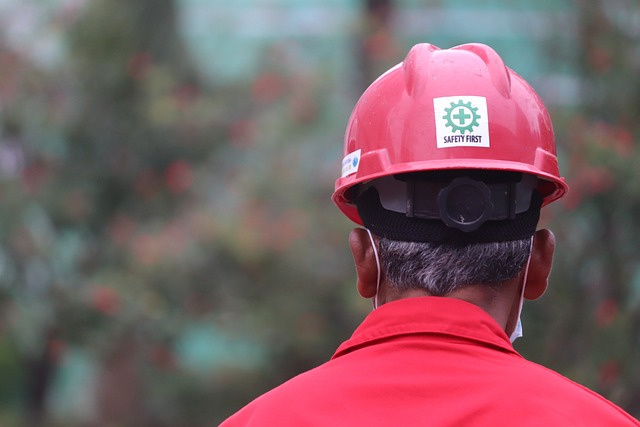
In the global pharmaceutical industry, drug safety reporting is a critical aspect that ensures the well-being of patients and maintains regulatory compliance. When it comes to preparing and submitting these essential documents, accurate translation plays a pivotal role, especially for companies operating in the UK market. Drug safety reports are often multilingual, requiring precise communication across different languages to convey critical information about adverse drug reactions, clinical trials, and product monitoring.
Translation services for Drug Safety Reports UK should be approached with utmost care, as the accuracy of translations directly impacts the integrity of the data. Inaccurate or poorly translated documentation can lead to miscommunication, regulatory non-compliance, and potential risks to public health. Professional translators with expertise in pharmaceutical terminology are essential to handle such sensitive content, ensuring that the translated reports maintain their original meaning, structure, and scientific validity.
Key Considerations When Choosing Translation Services
When selecting translation services for Drug Safety Reports in the UK, several key considerations come into play. Firstly, ensure the provider has expertise in regulatory documentation to guarantee accuracy and compliance with industry standards. Look for linguists who understand the technical jargon and specific terminology used in drug safety reports. This expertise is vital to convey precise information without misinterpretation.
Secondly, consider their experience handling confidential data. Drug safety reports contain sensitive information, so choose a translation service with robust security measures and a proven track record of maintaining client privacy. Additionally, check their ability to meet deadlines, especially when working under tight timelines set by regulatory bodies. Efficient project management and reliable delivery are essential for smooth report submission processes.
Benefits of Professional Translation for Medical Literature
In today’s global pharmaceutical market, it’s crucial that drug safety reports are accessible and understood by a diverse audience. This is where professional translation services for Drug Safety Reports UK come into play. Engaging specialized translators with medical expertise ensures that complex information is accurately conveyed in multiple languages, facilitating wider reach and compliance with international regulations.
Professional translation offers several key benefits. It enhances clarity and consistency, critical factors in conveying sensitive medical data. Translators who specialize in the pharmaceutical space understand technical jargon and regulatory requirements, minimizing errors and ensuring reports remain compliant. Moreover, it streamlines the review process, enabling faster time-to-market for drugs while maintaining safety standards across borders.
Navigating Regulatory Requirements: UK Perspectives on Drug Safety Reporting

In the UK, drug safety reporting is a critical aspect of pharmaceutical regulation, governed by stringent guidelines set forth by the Medicines and Healthcare products Regulatory Agency (MHRA). These regulations require accurate, detailed, and timely reporting of adverse drug reactions and other safety data. However, as the pharmaceutical industry becomes increasingly global, navigating these regulatory requirements across different markets presents a complex challenge. For companies operating in the UK, understanding the specific translation needs for Drug Safety Reports is essential to ensure compliance.
Translation services play a vital role in facilitating this process by providing accurate and culturally appropriate translations of safety reports. This is particularly important when communicating with international stakeholders or submitting reports to regulatory bodies in other countries. Professional translators with expertise in pharmacovigilance terminology can help ensure that technical accuracy and semantic equivalence are maintained, thereby avoiding potential misinterpretations that could impact patient safety and regulatory compliance.
Ensuring Quality and Consistency in Translated Reports

When it comes to drug safety reports, ensuring quality and consistency in translation is paramount. These reports often contain complex scientific data and regulatory language, requiring a high level of precision and expertise. Reputable translation services for Drug Safety Reports UK should employ native-speaking professionals with extensive experience in pharmaceutical terminology. They must also adhere to standardized processes and quality control measures to maintain accuracy across all translations.
Consistency is another key aspect. Drug safety reports often require updates and revisions over time, so a reliable translation service should offer memory of language (MOL) technology to ensure the same terms are translated identically each time. This not only preserves the integrity of the data but also streamlines the reporting process, making it more efficient and effective for all stakeholders involved in drug development and regulation.
Case Studies: Successful Translations in the Pharmaceutical Sector
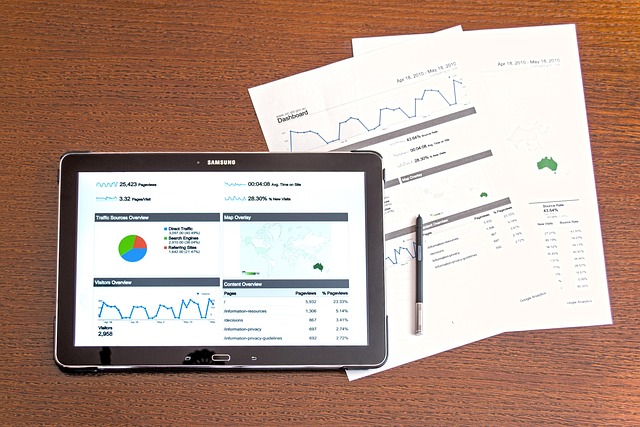
In the highly regulated pharmaceutical industry, accurate and concise translation is paramount for global drug safety reports. Case studies show that effective translations play a pivotal role in ensuring patient safety and regulatory compliance across borders. For instance, a UK-based pharmaceutical company faced a challenge when expanding its operations to Europe. Their drug safety reports, initially drafted in English, required professional translation to align with regional language standards and terminologies. By engaging specialized translation services, they successfully adapted their documents, facilitating smoother market entry and ensuring consistent messaging about medication risks.
This process involved more than just word-for-word translation; it demanded an understanding of cultural nuances and local regulatory requirements. The translated reports not only met these criteria but also maintained the integrity of critical safety information. This case illustrates how translation services for drug safety reports UK can be a game-changer, enabling pharmaceutical companies to navigate complex international markets while upholding the highest standards of patient safety communication.
Cost-Effective Solutions for Large-Scale Report Translation
Many pharmaceutical companies operating in the UK or aiming to expand their reach here face a significant challenge when it comes to drug safety reports: ensuring they are accurately translated and compliant with local regulations. Traditional translation methods can be costly, especially for large volumes of documentation. However, there are now cost-effective solutions available that streamline the process without compromising quality.
One such solution is leveraging advanced machine translation (MT) technologies backed by human review. MT can rapidly translate safety reports into multiple languages, significantly reducing turnaround times and costs. Following initial automated translation, a team of professional translators checks and edits the text to ensure accuracy and linguistic fluency, thereby offering an efficient and affordable approach for handling high-volume drug safety report translation needs in the UK market.
Future Trends: AI and Machine Learning in Drug Safety Translation
The future of drug safety reporting is set to be transformed by Artificial Intelligence (AI) and Machine Learning (ML). These technologies are rapidly evolving, offering unprecedented capabilities for accurate and efficient translation services for Drug Safety Reports UK and globally. AI-powered tools can analyze vast amounts of data, enabling faster identification of patterns and potential risks associated with medications.
Machine learning algorithms can be trained to understand complex medical terminology and linguistic nuances, ensuring precise translations of safety reports from one language to another. This not only streamlines the reporting process but also enhances global accessibility to critical drug safety information. As these technologies advance, they will play a pivotal role in keeping up with the dynamic nature of pharmaceutical research and development worldwide.
In today’s global pharmaceutical landscape, ensuring clear communication is paramount. Translation services play a pivotal role in bridging language gaps within drug safety reports, facilitating international collaboration and regulatory compliance. For those based in the UK looking to navigate these complex requirements, understanding the value of professional translation and choosing the right service provider is crucial. This article has explored various aspects, from the challenges of language barriers to the benefits of accurate translations, providing a comprehensive guide for navigating drug safety reporting with confidence. By leveraging high-quality translation services, pharmaceutical professionals can ensure their documentation resonates across borders, contributing to safer and more effective treatments globally.