Navigating Drug Safety Compliance: Translating DSRs for UK Market Adherence
Translation services for Drug Safety Reports (DSRs) in the UK are a critical component for pharmaceutical companies aiming to comply with local regulatory standards. The process involves meticulous translation and verification by experts well-versed …….

Translation services for Drug Safety Reports (DSRs) in the UK are a critical component for pharmaceutical companies aiming to comply with local regulatory standards. The process involves meticulous translation and verification by experts well-versed in both language nuances and drug safety terminology, ensuring that complex scientific data is accurately conveyed. This includes the use of current glossaries and terminologies, advanced translation technology, and stringent quality assurance processes to maintain consistency and precision across all translations. The goal is to deliver clear, reliable, and culturally appropriate information that meets UK standards for drug safety reporting, thereby supporting patient care and regulatory compliance in the UK market.
Navigating the complexities of drug safety documentation is paramount for pharmaceutical companies entering the UK market. This article delves into the critical aspects of translating drug safety documents to meet stringent UK standards, emphasizing compliance and the intricate role of professional translation services in this process. We explore the MHRA’s regulations and guidelines for Drug Safety Reports (DSRs), highlighting the necessity for precision and cultural relevance in translations. Key challenges, such as technical pharmaceutical terminology and maintaining consistency across various language versions, are addressed, along with practical solutions to ensure accuracy and effectiveness. Through a case study, we demonstrate how proficient translation services for Drug Safety Reports UK can successfully adapt and convey essential safety information, safeguarding patient well-being and regulatory compliance.
- Understanding the Importance of Compliance in Drug Safety Documentation for the UK Market
- Overview of MHRA Regulations and Guidelines for Drug Safety Reports (DSRs)
- The Role of Professional Translation Services in Drug Safety Reporting
- Key Considerations for Translating DSRs from Multiple Languages to English
- Challenges and Solutions in Translating Technical Pharmaceutical Terminology
- Ensuring Accuracy: The Process of Verifying Translated Drug Safety Documents
- The Impact of Cultural Nuances on the Translation of Drug Safety Information
- How to Maintain Consistency Across Multiple Versions of Drug Safety Reports
- Case Study: Successful Translation and Adaptation of DSRs for the UK Market
Understanding the Importance of Compliance in Drug Safety Documentation for the UK Market
When navigating the intricate landscape of drug safety, compliance with UK standards is paramount. The UK market, with its stringent regulatory framework, demands meticulous attention to detail in all aspects of drug safety documentation. Translation services for Drug Safety Reports (DSRs) play a critical role in this process. These translations must not only accurately convey the original content but also align with the specific linguistic and regulatory requirements of the UK Medicines and Healthcare products Regulatory Agency (MHRA). The importance of compliance cannot be overstated, as it ensures patient safety, protects public health, and facilitates the successful approval and marketing of pharmaceutical products within the UK. Companies must engage with translation services that specialize in the pharmaceutical sector and possess a deep understanding of both the source and target regulatory environments. This specialized expertise ensures that DSRs meet all necessary linguistic and compliance standards, thereby mitigating risks associated with misinterpretation or non-compliance, and enabling the swift progression of drug safety evaluations within the UK.
Overview of MHRA Regulations and Guidelines for Drug Safety Reports (DSRs)
When translating drug safety documents to align with UK standards, it is imperative to adhere to the stringent regulations set forth by the Medicines and Healthcare products Regulatory Agency (MHRA). The MHRA oversees the safety of medicinal products in the UK, ensuring that they are both safe and effective. One of the key components of this oversight involves the meticulous preparation and translation of Drug Safety Reports (DSRs) to facilitate a comprehensive understanding of drug safety profiles across multilingual settings. DSRs are critical for the ongoing monitoring of the benefits and risks associated with medicines, as well as for the timely reporting of new data or changes in safety information.
The MHRA provides specific regulations and guidelines that translation services must follow when translating DSRs to meet UK standards. These include precise terminology, accurate representation of study findings, and the correct format for all safety-related documentation. The guidelines ensure that the translated reports are of equivalent quality to those originally prepared in English. This involves not only a linguistic conversion but also a contextual adaptation to reflect the nuances of drug safety language within the UK’s regulatory framework. By doing so, translation services contribute significantly to the protection of public health by ensuring that safety data is accessible and interpretable for all stakeholders involved in the pharmaceutical industry within the UK jurisdiction.
The Role of Professional Translation Services in Drug Safety Reporting

In the context of drug safety, maintaining high standards of communication is paramount, especially when it comes to regulatory documentation that transcends language barriers. Professional translation services play a critical role in ensuring that Drug Safety Reports (DSRs) adhere to UK standards. These specialized services are equipped with expert linguists who are not only proficient in the source and target languages but also well-versed in the technical jargon inherent to drug safety documentation. Their expertise is instrumental in accurately conveying the complex scientific content, including safety data, potential side effects, and risk assessments, which are pivotal for regulatory submissions within the UK framework. By providing precise translations, these services facilitate the seamless exchange of critical drug safety information between pharmaceutical companies and regulatory bodies, thereby upholding patient safety and regulatory compliance. The accuracy of this process is a testament to the importance of professional translation services in the global pharmaceutical industry, particularly within the UK’s stringent regulatory environment.
Furthermore, the role of these translation services extends beyond mere language conversion. They ensure that the nuances of the original text are preserved, which includes the correct interpretation of medical terminology and the precise representation of data. This meticulous approach is essential for the UK’s Medicines and Healthcare products Regulatory Agency (MHRA) to assess drug safety effectively. The reliability of these services also contributes to the swift progression of drug approval processes, as they enable timely and clear communication between all parties involved in the drug development lifecycle. In light of this, selecting a translation service with a proven track record in drug safety reporting is a strategic decision that can significantly impact a pharmaceutical company’s success in the UK market.
Key Considerations for Translating DSRs from Multiple Languages to English
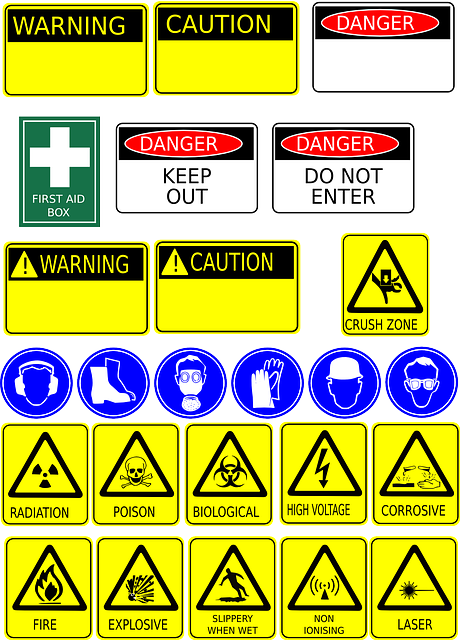
When translating Drug Safety Reports (DSRs) from multiple languages to English, especially for compliance with UK standards, precision and expertise are paramount. The translation services for Drug Safety Reports in the UK must navigate the complexities of language, ensuring that every nuance, technical term, and critical data point is accurately conveyed. Translators must be adept in both the source and target languages, possessing a deep understanding of drug safety terminology and regulatory requirements specific to the UK’s Medicines and Healthcare products Regulatory Agency (MHRA). This involves not only a literal translation but also cultural adaptation to maintain the contextual relevance of the reports. The translator must consider the linguistic differences, including syntax, idiomatic expressions, and grammar, which can significantly alter the meaning if not handled with care. Furthermore, the translation should adhere to the specific guidelines set forth by the International Conference on Harmonisation of Technical Requirements for Registration of Pharmaceuticals for Human Use (ICH) and other relevant regulatory bodies. By leveraging specialized translation services for Drug Safety Reports in the UK, organizations can ensure that the translated documents meet the highest standards of accuracy and compliance, facilitating effective communication and decision-making within the pharmaceutical industry.
Challenges and Solutions in Translating Technical Pharmaceutical Terminology

The translation of drug safety documents, particularly Drug Safety Reports (DSRs), poses unique challenges when adapting them for compliance with UK standards. One of the primary hurdles is the technical pharmaceutical terminology inherent in such texts, which must be accurately conveyed to maintain the integrity of the report. This precision is critical, as misinterpretation or mistranslation of specialized terms could lead to misunderstandings regarding drug safety, potentially compromising patient care. To address this challenge, translation services specializing in pharmaceutical language have developed sophisticated lexicons and glossaries that align with the terminology used by regulatory bodies like the Medicines and Healthcare products Regulatory Agency (MHRA) in the UK. These services employ expert translators with a background in pharmaceutical science, ensuring that all technical terms are accurately translated while maintaining the report’s original intent and meaning. Additionally, these translation services often incorporate advanced technology, such as translation memory software, to ensure consistency across documents and to streamline the process of adapting existing texts for the UK context. By leveraging both human expertise and technological solutions, these services can overcome the linguistic barriers and provide DSRs that meet the stringent standards required in the UK pharmaceutical industry.
Ensuring Accuracy: The Process of Verifying Translated Drug Safety Documents
When translating drug safety reports to meet UK standards, ensuring accuracy is paramount. The process begins with selecting translation services specialized in Drug Safety Reports for the UK market. These experts are adept at handling the complex terminology inherent in pharmaceutical documentation, which often includes detailed descriptions of adverse drug reactions and risk mitigation strategies. To guarantee precision, a multi-step verification process is implemented. Firstly, translators with a strong background in both language and pharmaceutical sciences undertake the initial translation. Their deep understanding of context-specific nuances ensures that the content reflects the original document’s intent without loss of meaning or precision.
Upon completion, the translated text undergoes a rigorous review by subject matter experts who are fluent in both English and the source language. These specialists cross-check the translations against the originals for scientific accuracy and linguistic correctness. This step is crucial as it involves comparing terminology with recognized medical dictionaries, verifying that all safety concerns are accurately conveyed, and confirming that the translation adheres to the UK’s regulatory requirements. This meticulous approach ensures that the translated Drug Safety Reports comply with UK standards, thereby facilitating safe drug use and effective patient care.
The Impact of Cultural Nuances on the Translation of Drug Safety Information

When translating drug safety reports to meet UK standards, cultural nuances play a pivotal role in ensuring the accuracy and relevance of the information conveyed. The translation services for Drug Safety Reports UK must be adept at navigating the intricacies of language that extend beyond mere semantics. Different regions may have unique regulatory frameworks, terminologies, and safety profiles that are deeply rooted in their healthcare systems. A precise translation requires a deep understanding of these regional specifics, as well as the cultural context in which they operate. This is crucial because mistranslations can lead to misinterpretation of data, potentially affecting patient safety and regulatory compliance.
The UK’s stringent drug safety standards necessitate translators to not only be linguistically proficient but also knowledgeable about the healthcare domain. They must be able to interpret complex scientific language and localize it in a way that aligns with UK regulations while maintaining the original document’s intent and meaning. This is particularly important when dealing with multinational clinical trial data or safety reports where the context and implications of drug safety information can be influenced by cultural nuances. Thus, translation services for Drug Safety Reports UK must be meticulous in their approach to provide stakeholders, including healthcare providers and patients, with reliable and understandable information that adheres to local legal and ethical standards.
How to Maintain Consistency Across Multiple Versions of Drug Safety Reports

To ensure consistent translation across multiple versions of Drug Safety Reports (DSRs) in line with UK standards, it is imperative to establish a robust framework that facilitates uniformity and accuracy. This is particularly crucial when dealing with the complexities of language and regulatory expectations. Translation services for Drug Safety Reports UK must be equipped with up-to-date glossaries and terminologies specific to drug safety, which are regularly updated in accordance with the latest regulations and pharmaceutical industry guidelines. By leveraging advanced translation technology coupled with expert linguists specializing in the field of pharmacovigilance, these services can deliver translations that not only reflect the original content’s intent but also adhere to the nuanced requirements of the target market. The use of controlled vocabulary and standardized protocols minimizes discrepancies between versions, ensuring that every report, whether it be a new iteration or a retrospective translation, maintains the integrity and clarity necessary for regulatory submissions within the UK.
Furthermore, maintaining consistency across various DSR versions also involves rigorous quality assurance processes. Translation services for Drug Safety Reports UK must implement a system of checks and balances where translations are reviewed by subject matter experts before final submission. This multi-layered review process includes validation against the original document, compliance with local regulatory standards, and verification that the translation conveys the intended message accurately. By adopting these best practices, organizations can confidently navigate the intricate landscape of drug safety reporting and uphold their commitment to patient safety and regulatory compliance in the UK market.
Case Study: Successful Translation and Adaptation of DSRs for the UK Market
In the realm of pharmaceutical safety, the translation and adaptation of Drug Safety Reports (DSRs) to comply with UK standards are paramount for successful market entry. A case study exemplifying this is the recent project undertaken by a leading translation services provider, specializing in Drug Safety Reports UK compliance. The challenge was to convert clinical trial documentation from various languages into clear, concise English, adhering to the stringent regulatory requirements set forth by the Medicines and Healthcare products Regulatory Agency (MHRA) in the UK. The translation services provider employed a team of experts well-versed in both the linguistic nuances and the technical jargon inherent to DSRs. This ensured that all safety information was not only accurately translated but also contextually appropriate for the UK market, thereby maintaining the integrity of the data while making it accessible to UK regulators. The meticulous adaptation process involved a comprehensive review of each document against the Qualified Person (QP) requirements, ensuring that every aspect of drug safety communication was aligned with UK standards. This successful translation and adaptation not only facilitated the swift approval process for the pharmaceutical product but also demonstrated the translation services provider’s commitment to excellence in cross-border regulatory compliance. The project underscored the importance of tailoring DSRs to meet specific regional standards, thereby paving the way for safer drug use across the UK population.
In concluding, the translation of drug safety documents to meet UK standards is a complex and critical task that demands precision, expertise, and an understanding of both the source and target regulatory environments. The UK’s Medicines and Healthcare products Regulatory Agency (MHRA) sets forth stringent guidelines for Drug Safety Reports (DSRs), which professional translation services must navigate to ensure compliance. Key considerations include the accurate conveyance of technical terminology, the resolution of linguistic challenges, and the adaptation to cultural nuances, all while maintaining consistency across various versions. The successful case study provided within this article underscores the importance of employing seasoned translators with specialized knowledge in pharmaceuticals, as offered by top-tier translation services for Drug Safety Reports UK. By adhering to these best practices, pharmaceutical companies can successfully communicate critical drug safety information, thereby safeguarding patient health and satisfying regulatory requirements within the UK market.